Dedicated to sound and listening, the Triennale creates a space for a wide range of sonic practices without restricting them by institutional boundaries. Over the course of two months, Rites of Eternal Wind will host sound installations and live events, listening sessions and soundwalks, hybrid lectures, discussions and workshops, somatic performances and explorations of sonic rituals and environments where sound is absent or even impossible.
Dedicated to sound and listening, the Triennale creates a space for a wide range of sonic practices without restricting them by institutional boundaries. Over the course of two months, Rites of Eternal Wind will host sound installations and live events, listening sessions and soundwalks, hybrid lectures, discussions and workshops, somatic performances and explorations of sonic rituals and environments where sound is absent or even impossible.
Three is a magic number, and the Triennale approaches the relationships between sound and wind through a triplicity of perspectives: observing wind as an acoustic phenomenon in search of something to resonate; documenting attempts to control the uncontrollable; and sensing its presence through absence — by listening closely to the faintest sounds, like breath and whisper. In this sense, Rites of Eternal Wind is also a love letter to sonic traditions that have existed for centuries outside the Western frameworks of music: Central and North Asian instrument-building and performance as forms of social organisation and political imagination; Indigenous sound and improvisation as communal music practices preserving collective memory and history; Southeast Asian traditions of attentive listening; and many others.
Naming the Sonic Arts Triennale after Korkut is a way of asking for an aq bata — a blessing. Both a mythical and a historical figure, Korkut Ata (or Qorqyt Ata) was an improviser who, more than a thousand years ago, is said to have built the qobyz — a powerful musical instrument capable of healing and warding off evil spirits, even death itself. Today, a giant qobyz sounds on the banks of the Syr Darya River near his birthplace. Built in 1980 by architect Bek Ibrayev and acoustical engineer Sovet Isatayev, the eight-metre-tall monument harnesses the steppe wind to play an organ housed within. Its forty metal pipes howl and moan as the wind passes through, singing eternally to the land — thus, healing it.
Program
Rites of Eternal Wind Exhibition Azadbek Bekchanov, Budhaditya Chattopadhyay, Cevdet Erek, Lawrence Abu Hamdan, Lyazzat Khanim, Mieko Shiomi, Rustem Myrzakhmetov, Saadet Türköz, Sojung Jun, Tañsulpan Buraqayeva, Ziliä Qansurá
Episode Four: Harmattan Bilawa Ade Respati, Karina Utomo & Şüräle present The Dream Has Still Not Whispered Mieko Shiomi presents Rite of Wind and Shadow, performed by Yermek Qazmūhambet and Ziliä Qansurá Impossible Territories and Bint Mbareh present The Whispering Choir
Bögön Klubta Känsirt Bula: Stories of 1000 Qurays with Aliya Akhmadullina, Dinara Ryskildina, Tañsulpan Buraqayeva, Ziliä Qansurá in conversation with Maria Sarycheva
May 9th
15:00—16:30
Listening Otherwise: Borders, Materiality and Other Subjectivities with Bint Mbareh, Budhaditya Chattopadhyay, Jacob Eriksen, Medina Bazarğali in conversation with Ján Solčáni
May 9th
16:30—18:00
Sainkho Namtchylak in conversation with Stas Shärifulla
May 17th
17:00—18:30
Lecture-performance by Yermek Qazmūhambet
May 17th
19:00—20:30
Sojung Jun in conversation with Madina Sadybekova
May 30th
18:00—19:30
Resynthesising the Traditional with Aisha Orazbayeva, Rustem Myrzakhmetov, Şüräle, in conversation with Änuar Düisenbinov
June 20th
18:00—19:30
Unfolding the Rite of Qūralai with Lovozero, Nurbäk Batulla, Zhanna Tulendy in conversation with Änuar Düisenbinov
June 26th
17:00—18:30
Lecture-performance by Ayesha Hameed and Nazira Omar
June 26th
19:00—20:30
Raushan Orazbay in conversation with Änuar Düisenbinov
June 28th
16:00—18:00
Film Program Tselinny ORTA 3
Korkut Shorts Whose Voice Is This? (Dana Iskakova, 2025) Blown by the Wind (Jacques Madvo, 1971) The Diary of a Sky (Lawrence Abu Hamdan, 2024) A Night We Held Between (Noor Abed, 2024) Intersection (Rami Harrabi, 2023)
As the movement of air, wind interacts with objects in its path, causing vibrations that produce sound. This principle lies at the core of countless musical instruments, beginning with the voice — the most primal and fundamental instrument of all, which can be amplified when spoken or sung into the wind, allowing the wind to carry the song. Woodwind and brass instruments rely on the performer's breath to set the air in motion — a wind very different from the breath itself, yet one that also gives life.
The Seeker says: “Now they learnt how to generate wind artificially, forcing it through pipes of various lengths, all tuned to specific frequencies. But the voice and the flute will sound only as long as there is someone who can still breathe.”
The Wind Howls
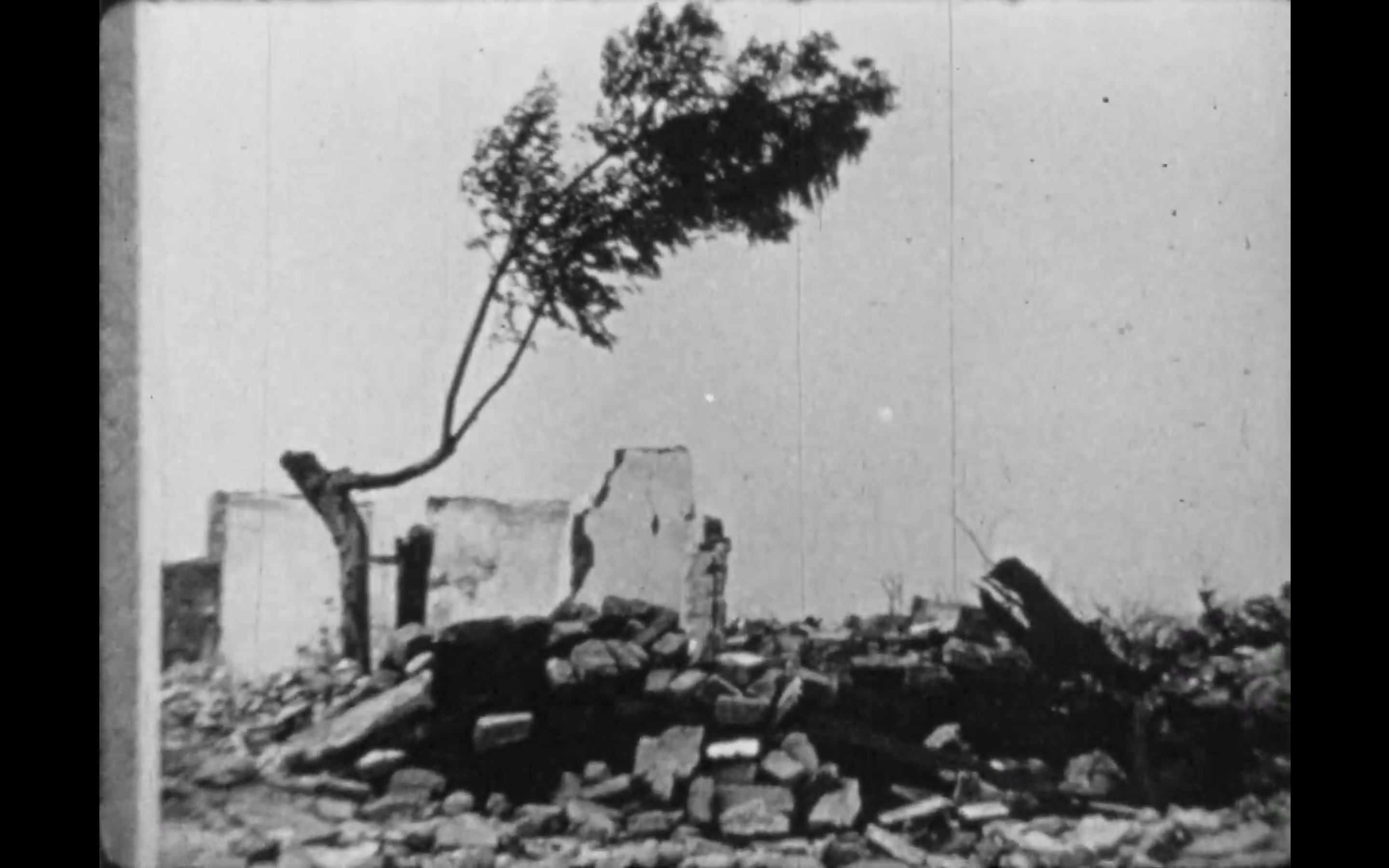
Throughout history, wind has swelled the sails of colonial ships, driving them forward — carrying those who saw themselves as chosen to claim distant lands, enslave and starve entire populations. Their ambitions, swift as the fiercest breeze, summoned winds of an even darker nature: fiery whirlwinds that scattered the ashes of villages reduced to rubble, along with the remains of those who dared to resist, the martyrs consumed by flames. Survivors, cast into exile, were swept away by another wind: the one that carried them to distant, foreign lands, with no hope of return. Today, those in power continue to subjugate the wind on stolen land, generating clean energy on lands cleansed through genocide and forced displacement.
The Problem Child says: “When our planet becomes a vast and lifeless desert, the woeful howl of the Eternal Wind will be the only thing that remains. But as long as we are here, just as the wind carries and amplifies voices, so too should we.”
The Wind Whispers
We are haunted by sounds that can no longer be heard: the rumble of mountains that have been shattered, the waves of seas deserted by extractivism. We are haunted by sounds we often ignore: when one speaks too loud, there is always silence from the other. Even without listening to a sound itself, it resonates within our mind — shrieks of sirens, cries of agony, the rattle of bullets piercing through the cold winter air. So, Rites of Eternal Wind is also an invitation: to learn how to listen attentively to the world around us and to use the space of the Triennale, together, to raise a wind that will carry our voices strong to inspire new generations of dreamers and fighters.
The Whisperer says: “I don’t know if a tree makes a sound if it falls in a forest, but I’m sure the wind makes trees speak. Walking along the very edge of knowledge, it’s difficult to decipher the whisper from leaves on a tree’s branches. If I couldn’t write the song, what does it sound like?”
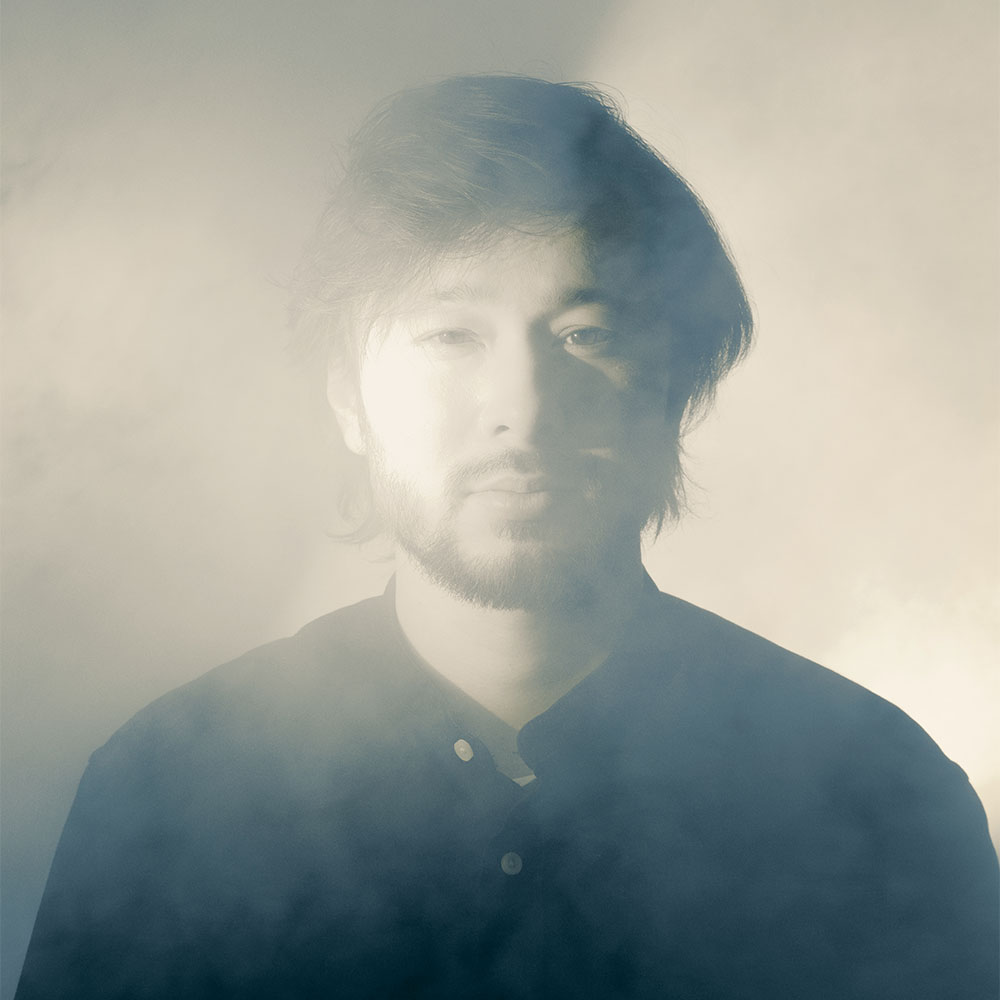
Curators
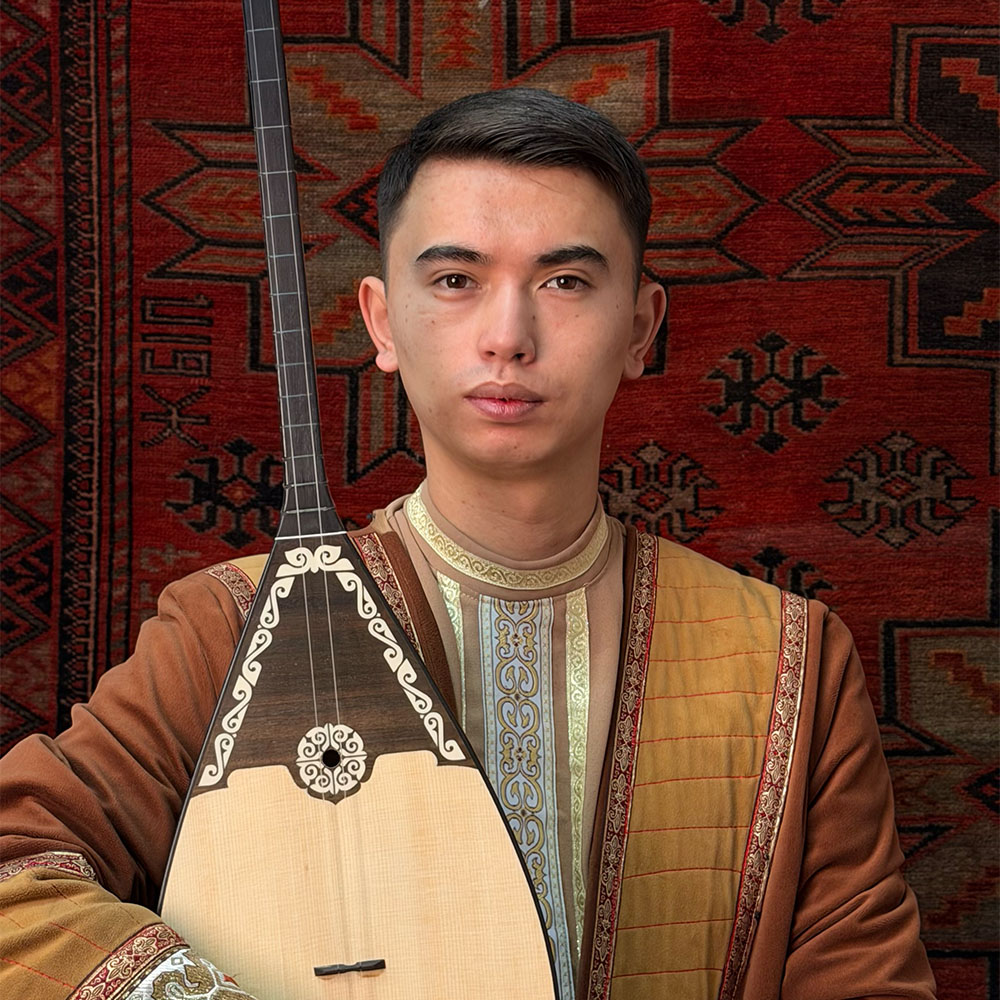
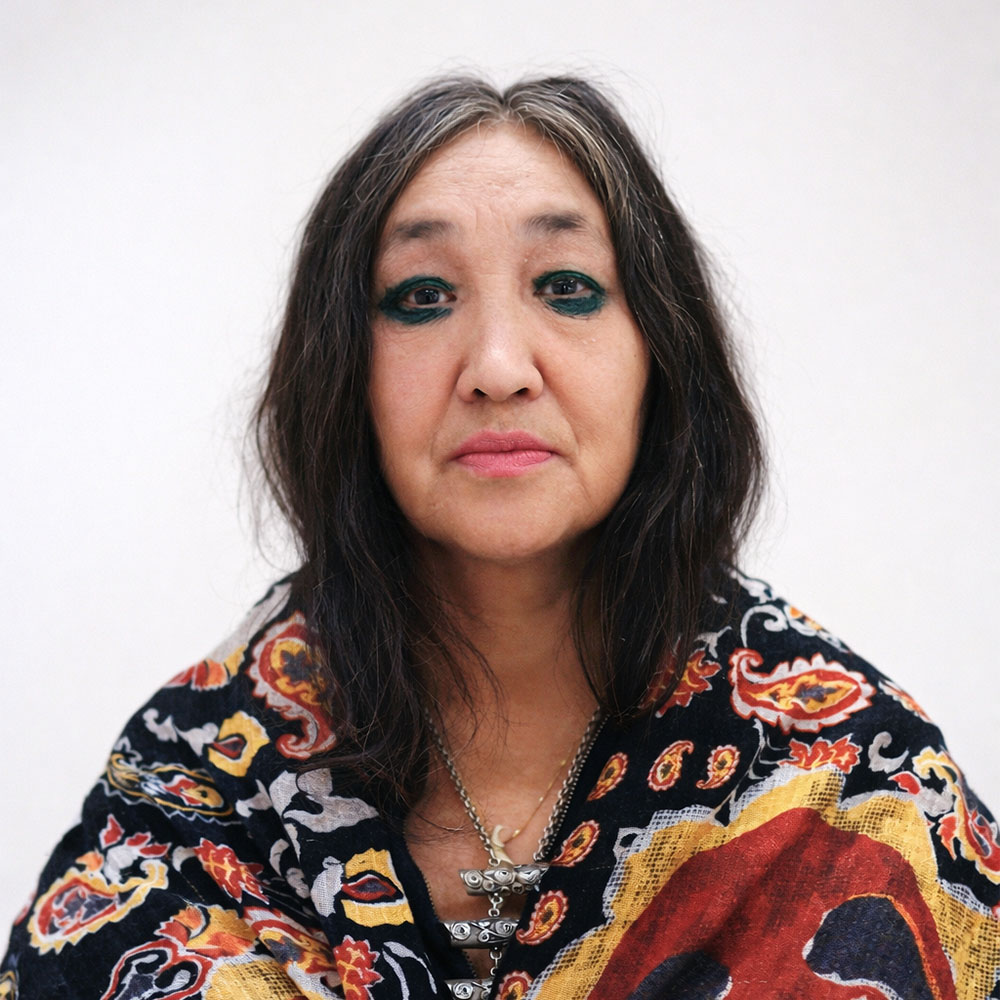
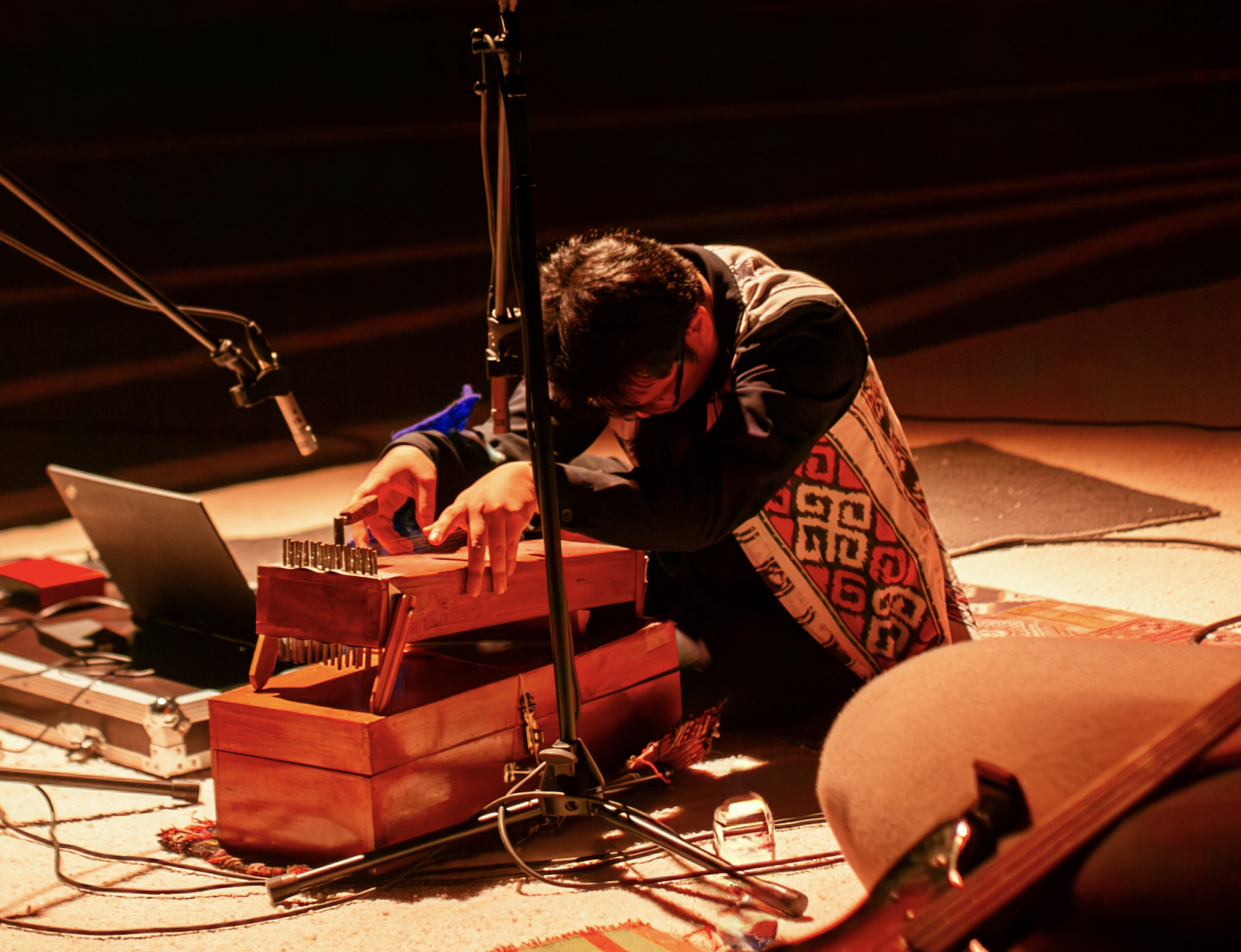
Änuar Düisenbinov is a Kazakhstani poet, multimedia artist, curator, and translator.
For the past 15 years, he has been actively engaged in various projects across Central Asia, collaborating with institutions such as the Tselinny Center of Contemporary Culture, CTM Festival, Literature Without Borders, the Hayward Gallery, and the Venice Biennale, among others. Together with Rustem Myrzakhmetov, Änuar co-founded the spoken word and experimental music collective Балхаш снится, a cornerstone of Almaty’s independent music scene, which has also participated in Barsakelmes, the inaugural performance launching the public program at the Tselinny Center of Contemporary Culture.
In his works, Änuar often refers to traditional practices and belief systems, emphasising how they have evolved in response to shifting and often deteriorating social and political contexts, both past and present. His poetry and spoken-word interventions are inventive and playful, rooted in layered symbolism, yet they pointedly challenge the ways dominant narratives co-opt and instrumentalise once-sacred practices, transforming what was meant to serve the community into tools of identity politics or nation-building used by elites and those holding onto power.Änuar Düisenbinov is a Kazakhstani poet, multimedia artist, curator, and translator.
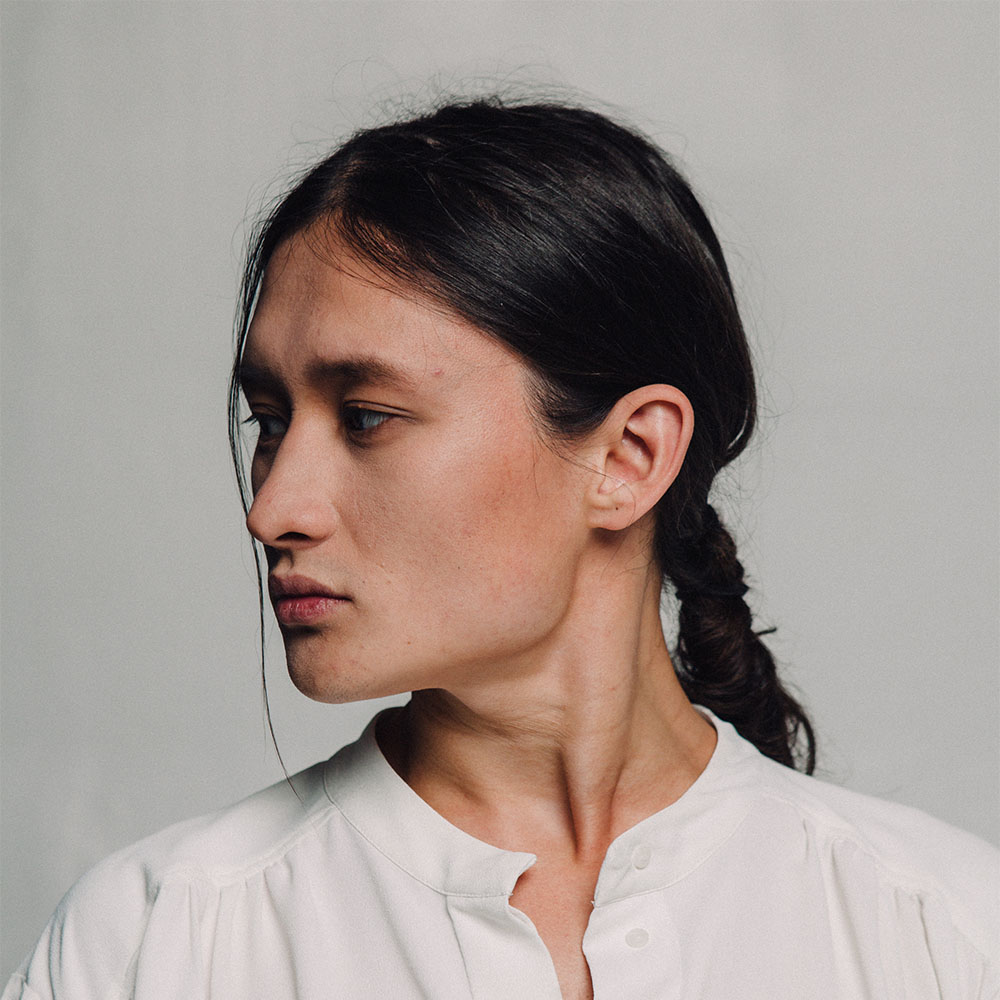
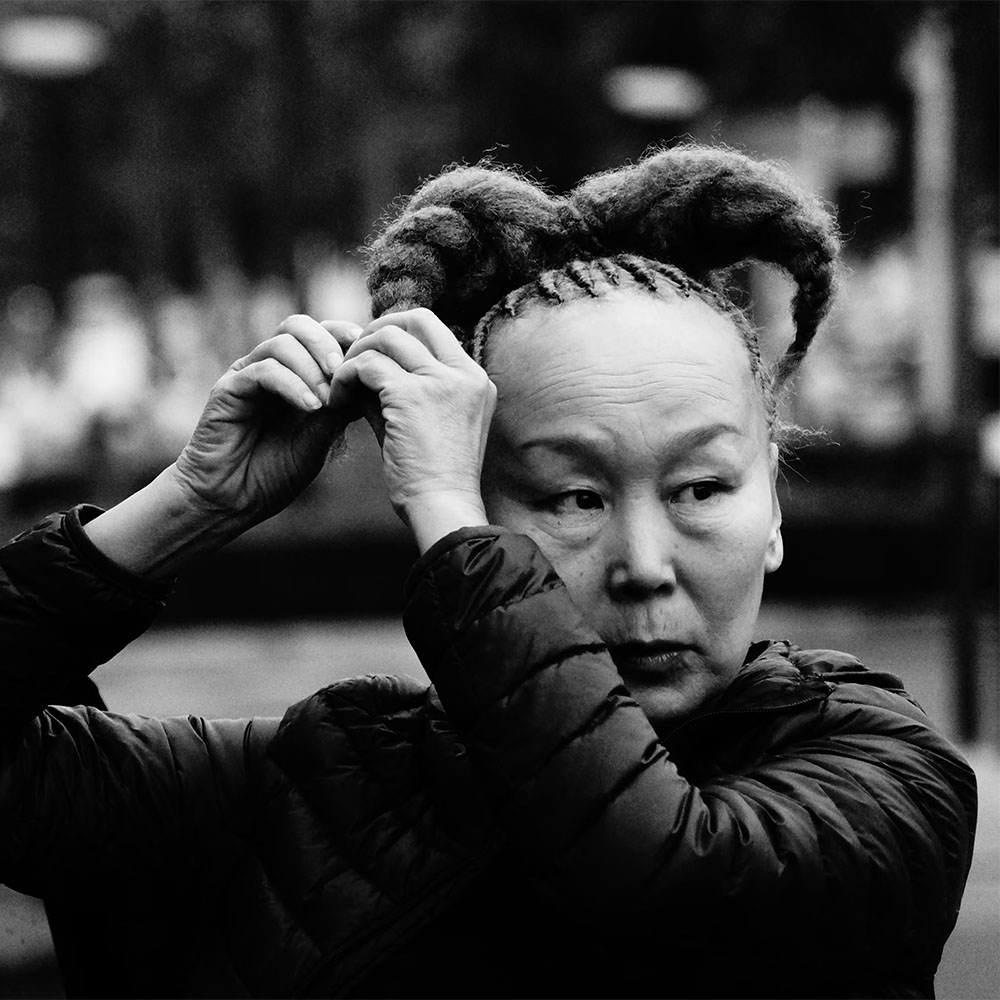
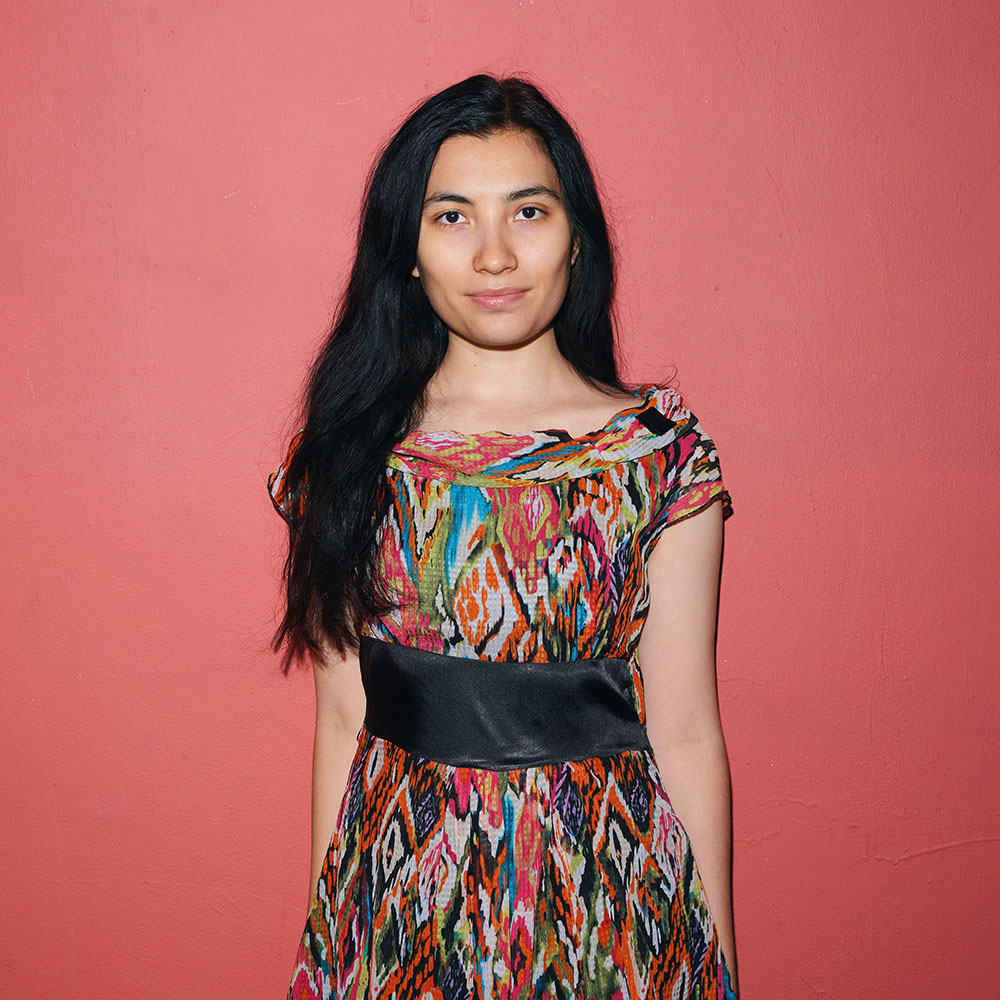
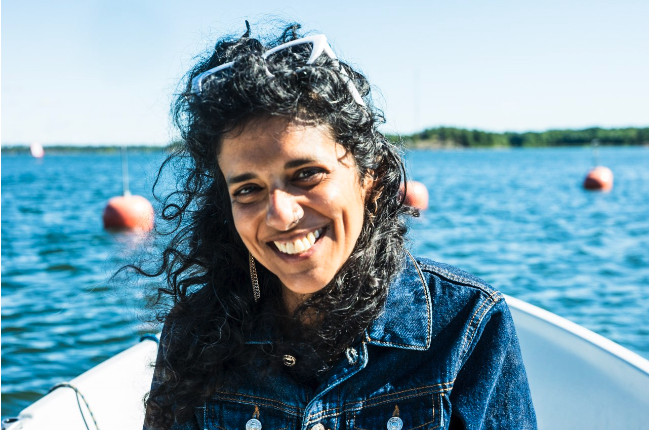
Madina Sadybekova is a Korean/Kazakh curator and researcher from Almaty, whose practice primarily focuses on sonic arts that engage with geopolitical and sociopolitical contexts.
Having studied how aesthetics shape experience and collective memory in cases of toppling and removing colonial monuments in contemporary Kazakhstan, she now works with hearing and listening as embodied practices, paying close attention to how sound affects bodies exposed to various coercive conditions: from concrete violence to dispossession, land loss, and forced migration. Reflecting on her own diasporic experience, physically removed from these at times excruciating contexts, Madina uses this distance to explore how sound can also carry resilience and hope.
Madina holds an MA in Contemporary Art Theory from Goldsmiths, University of London and currently works as a curator and art manager at Tselinny Center for Contemporary Culture in Almaty.
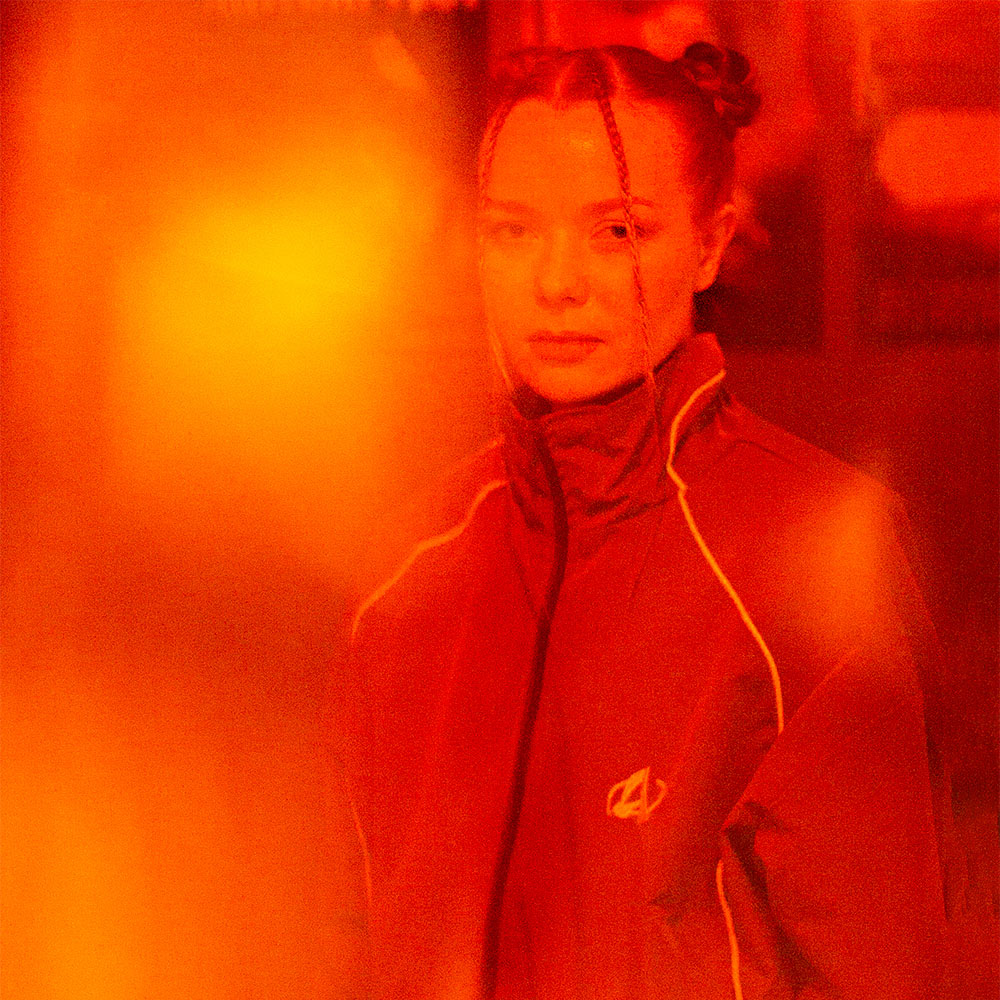
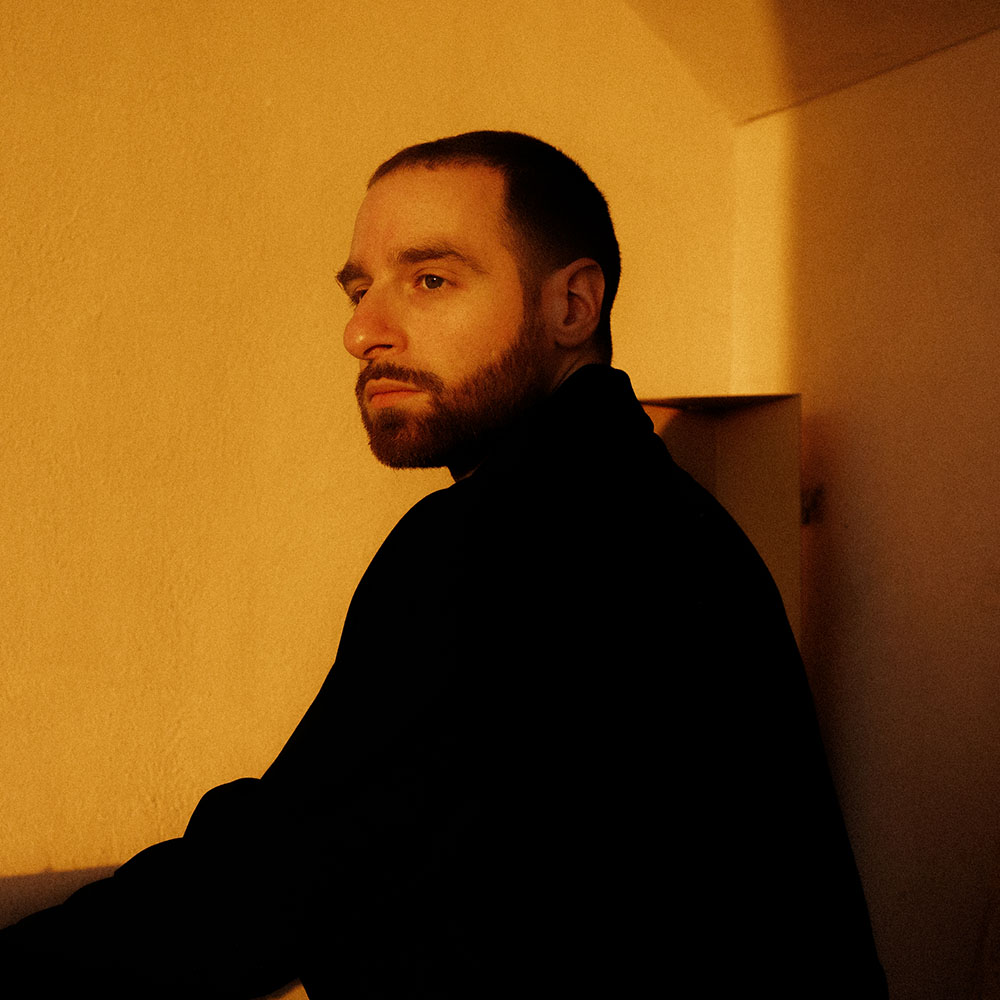
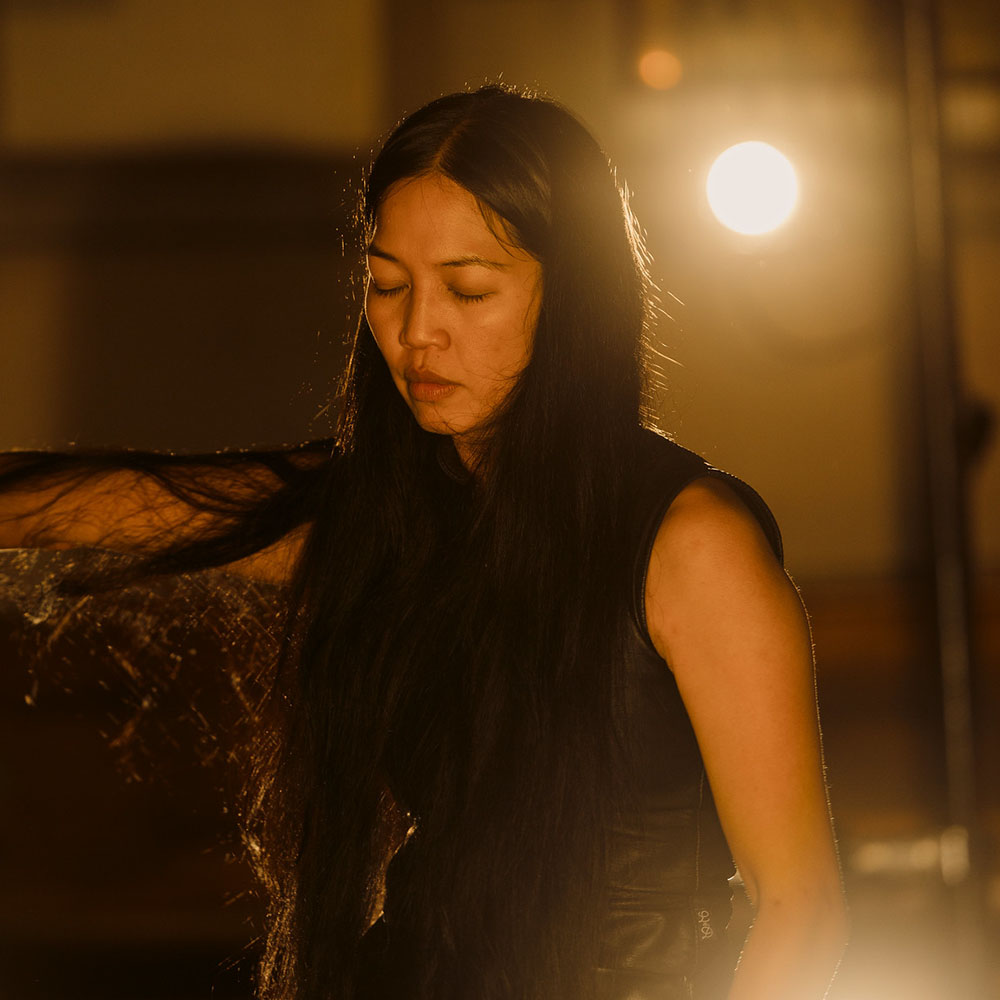
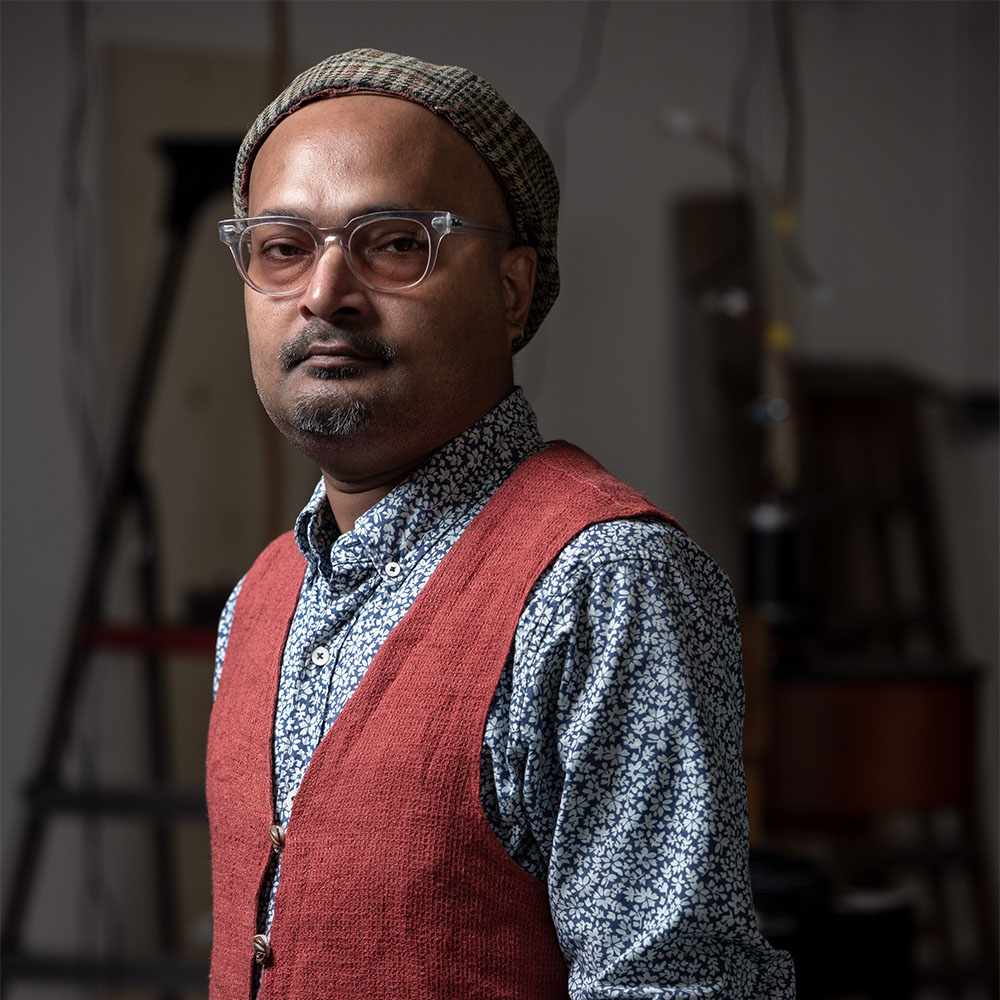
Stas Shärifulla is a Basel-based artist and scholar studying how listening shapes identity and memory.
Born and raised in Eastern Siberia, with Yılan Bashqort ancestry, he explores the auditory nature of North and Central Asian autochthonous cultures, where listening and sounding have historically been more important than writing. Drawing on his own dis–re–connection to this heritage, Stas is primarily focused on how settler colonialism subjugates and distorts Indigenous knowledge, reducing its sociopolitical purpose to the production of exotic museum artifacts — and how to undo these dynamics. Working with both traditional instruments and computer music tools, he practices in a wide range of media, including freeform composition, live listening sessions, public talks and interventions, installations, and more.
Stas is a PhD candidate and lecturer at the Department of Media Studies at the University of Basel, a guest docent and mentor at the Institute Art Gender Nature, HGK FHNW, and a co-curator of the thematic strand and artistic research project Resynthesising the Traditional at the CTM Festival.


















.svg)
.svg)
.svg)
.svg)
.svg)
.svg)
.svg)
.svg)
.svg)