Rites
of Eternal Wind
Il Korkut Sonic Arts Triennale
Dedicated to sound and listening, the Triennale creates a space for a wide range of sonic practices without restricting them by institutional boundaries. Over the course of two months, Rites of Eternal Wind will host sound installations and live events, listening sessions and soundwalks, hybrid lectures, discussions and workshops, somatic performances and explorations of sonic rituals and environments where sound is absent or even impossible.
Tselinny Center of Contemporary Culture
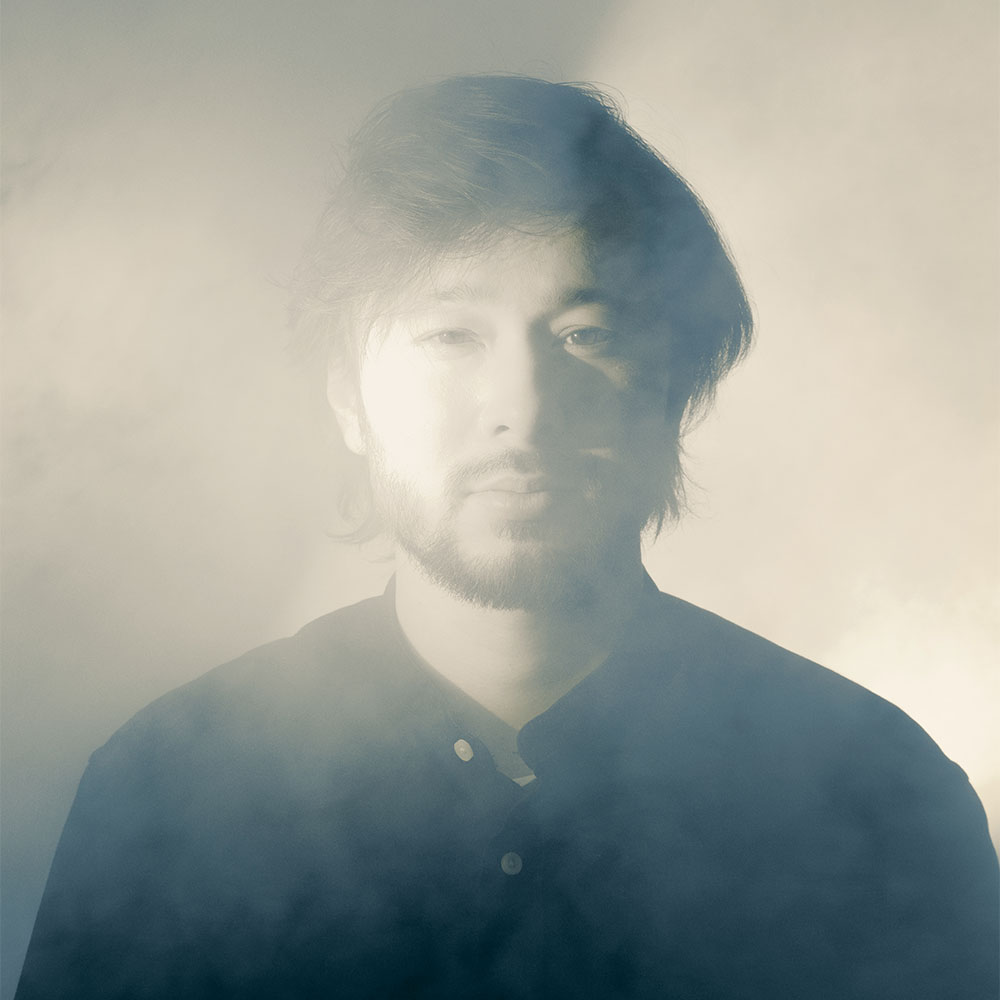
Rustem Myrzakhmetov

Rustem Myrzakhmetov is a composer, sound designer, and music producer. He studied choral conducting at the Tchaikovsky Music College in Almaty and first appeared on the city’s music scene as a DJ and beatmaker. Later, together with poet Änuar Düisenbinov, he co-founded the experimental duo Балхаш снится, a spoken-word project in which Rustem’s cinematic soundscapes interact on equal footing with Änuar’s texts — reflecting on contemporary life and attempts to peer into the human soul without permission.

The project caught the attention of the Almaty-based label qazaq indie, which later became closely involved in Rustem’s career. As an integral part of the label, his distinctive approach to music production and contemporary composition led him to collaborate with a range of notable Central Asian artists — Zere, SAMRATTAMA, Steppe Sons, among others. While continuing to work with these and other artists, Myrzakhmetov has, in recent years, become one of the key cultural figures in the region’s electronic and experimental music scene, working as a composer, arranger, and performer in projects such as Üi Küiı, UnMusicWeek, The Spirit of Tengri, and BARSAKELMES.
Drawn by the Wind
8-channel sound installation (2026)

An experienced producer and sound designer, Rustem Myrzakhmetov understands that producing and composing a decent sound piece does not always require high-quality source material. The sounds he uses for Rites of Eternal Wind can hardly be called “high-quality” under any circumstances: they are voice messages downloaded from a popular messaging app. Rustem reworks and reassembles them, “stitching” them into a complex multichannel sonic composition.

The source material comes from a chat created by the Triennale’s curators, with participants added at random as part of an inside joke. It follows a single rule: “communication is only allowed through voice messages imitating the sound of wind ¯\_(ツ)_/¯.” As a form of alternative, low-commitment collectivity, the chat has become a hands-on tool for sonic improvisation. It connects not only different geographies — from Almaty to Basel, from Kolkata to London, from Kazan to Paris — but also different modes of performance: by the fifth month, someone finally managed to record the sound of a vacuum cleaner.

A spatial sound system put together specifically for Drawn by the Wind is installed on the facade of Tselinny, on the ribbed lamellae designed by architect Asif Khan. As intended, these elements give the building the appearance of a cloud, as well as that of a slightly parted theatrical curtain inviting the curiosity of passersby. Rustem adds another dimension to this idea: on the one hand, the sound of the piece can “draw in” those who happen to be passing by; on the other, wherever there is a cloud, there is wind.

The Seeker says:

“In a house by the lake lived a fisherman. He would set out early in the morning, while the air was still. He knew that once the wind rose, there would be no fishing. The wind carried cries, moans, kisses, poems, and even time. The fish gazed at the moon without blinking.”

Follow us on Instagram
Tselinny Center of Contemporary Culture