Мәңгілік жел салтанаты
II Korkut үн өнері триенналесі
Триеннале дыбысқа және дыбысты қабылдауға арналады әрі институционалды шекаралармен шектелмей, кең диапазонды дыбыс практикалары үшін кеңістік жасайды. «Мәңгілік жел салтанаты» жобасы аясында екі ай бойы мұнда дыбыс инсталляциялары орнатылады, дыбысты қабылдау және дыбыс серуендері сеанстарын қамтитын тікелей іс-шаралар, гибридті дәрістер, пікірталастар мен шеберлік сыныптары, соматикалық перформанстар, сондай-ақ дыбыс мүлдем жоқ немесе ол мүмкін болмайтын орта мен дыбыс рәсімдерін зерттеуге жол ашылады.
«Целинный» заманауи мәдениет орталығы
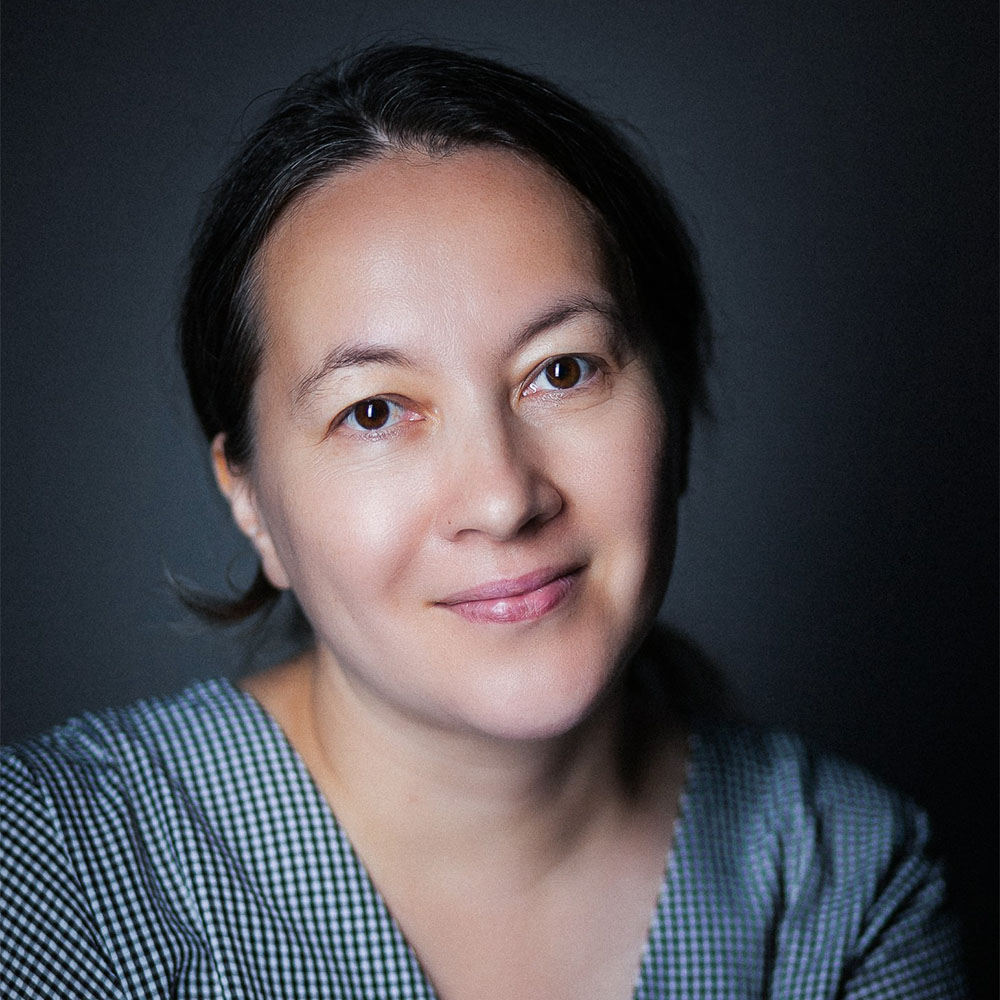
Tañsulpan Buraqayeva

Biography

Tañsulpan Buraqayeva (b. 1982) is a visual and mixed-media artist, film director, and researcher with a special focus on women’s rights and the female history of her native Bashqortostan. She was born in Ufa and raised in a family deeply connected to Bashqort culture, with her mother, Märyäm Buraqayeva, being a highly acclaimed writer and educator. Both Tañsulpan herself and most of her siblings followed similar paths: she studied visual art, painting, film, and television, and later became a film director and screenwriter, working for several years on feature and documentary films for the Amir Abdrazakov Bashkortostan Film Studio.

Known for her critical approach to how culture and history are represented by the authorities, Tañsulpan calls for a reevaluation of tradition so that it may be rooted in real oral and written history, rather than canons formed by ideology and propaganda. Observing how her culture is reduced to symbolic gestures and costumes, she criticizes this “ceremonial and folkloric” approach, arguing that it creates only a superficial façade — and advocates for sticking to reality, however harsh it may be. For example, one of her documentaries, Along the Roads of Salawat, dedicated to the prominent figure of Bashqort anti-colonial resistance Salawat Yulayev, depicts the main character and his father in a non-canonical, shocking way — as two mutilated prisoners with their nostrils torn out as punishment.In her other works, she often refers to women whose biographies are key to understanding Bashqort history — such as Rabiğa Qushaeva, an early 20th-century Bashqort activist who advocated for equal rights. For Tañsulpan, a critical approach to history is key to building a better tomorrow, what she calls Gölbostan—a utopian yet possible “blooming Bashqortostan of the future.”

She works both solo and in collaboration with many artists, mostly focusing on those connected to her native geographies. In 2024, she took part in the Bögön klubta känsirt bula (“Today, there is a concert in the club”) exhibition initiated by Ufa’s ZAMAN MUSEUM — a deep exploration of the past, present, and future of Bashqort music, both traditional and contemporary.
What is moñ?
Film (2024)

Arguably the most important symbol of Bashqortostan, the quray is an open, end-blown flute made from an endemic plant of the same name — a sacred instrument believed to ward off evil spirits and bring order to the universe. The commissioned two-piece installation by Tañsulpan Buraqayeva and Ziliä Qansurá builds on their previous collaborative work of the same name, presented at ZAMAN MUSEUM (Ufa) in 2024.

The film follows Yulay Kasimov, a renowned quraysı, as he gathers quray plants for the 1000 Qurays installation, while also showcasing his remarkable ability to swiftly craft a musical instrument from the plant. Set in the forests between the Arkhangel and Beloret districts of Bashqortostan, the search for quray is interwoven with a series of interviews with some of the region’s most celebrated Bashqort musicians: Älfiä Yulsurina, Liliä Ishemyärova, Röstäm Shahıbalov, Säyźa Ilyasova, Timur Ramaźanov, Miñzifa Isqujina, Artur Tuqtağolov, Räfis Sirusin, Damir Taipov, Näzifä Qadirova, Venera Räxmätullina, and Vildan Yarullin.

Together, they reflect on how traditional song continues to live on and be transmitted, debate whether it can truly be taught, recall their native places in Bashqortostan and their influence on their development as musicians, and speak about moñ — a concept that resists linguistic translation, as it can only be felt through song.

The Problem Child says:

“Growing up, all those sounds spilling from the TV and radio felt like nothing more than an irritating hum. I did not yet understand that, had I known the musical language, I would have listened with the utmost attention — for it was the land itself singing.”

Бізді Instagram желісінде бақылаңыз
«Целинный» заманауи мәдениет орталығы